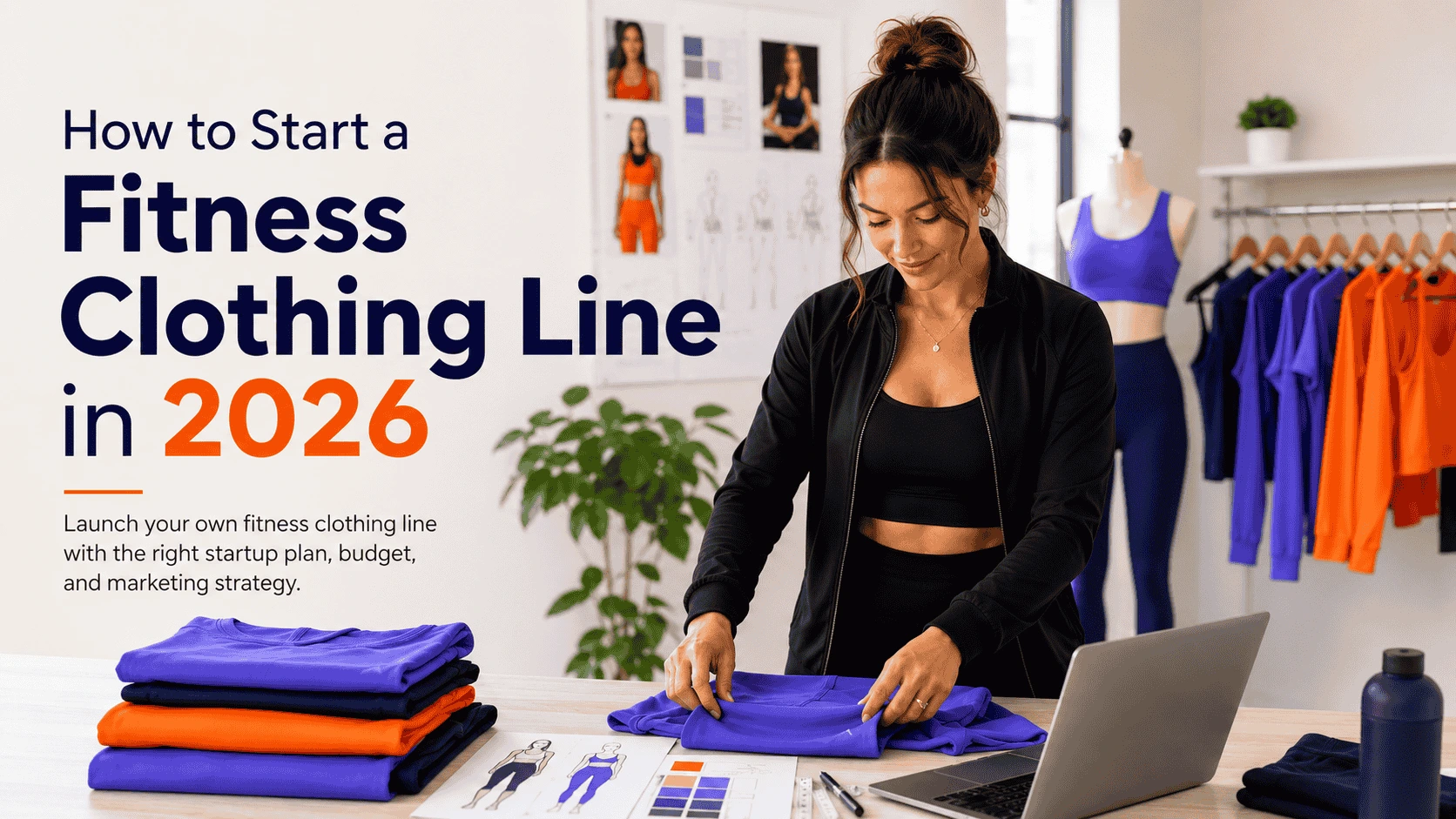
The global fitness clothing market is growing rapidly. People are inclined towards improving their health and physical fitness through exercises, running, gym workouts, and sports. They are focused on athleisure fashion to up their fitness level and style. Therefore, businessmen are aspiring to invest in the activewear industry. The global gym clothing market was estimated at $110.68 billion in 2024.
Launching a fitness clothing brand can be rewarding but might also be difficult to know how to start. You can lose all your investment in the beginning because not knowing the costing is a big risk. Hence, this is a complete guide that covers everything from brand building and fabric sourcing to manufacturing, product making, marketing, and scaling your brand successfully in 2026.
Why Is the Fitness Apparel Industry Booming?
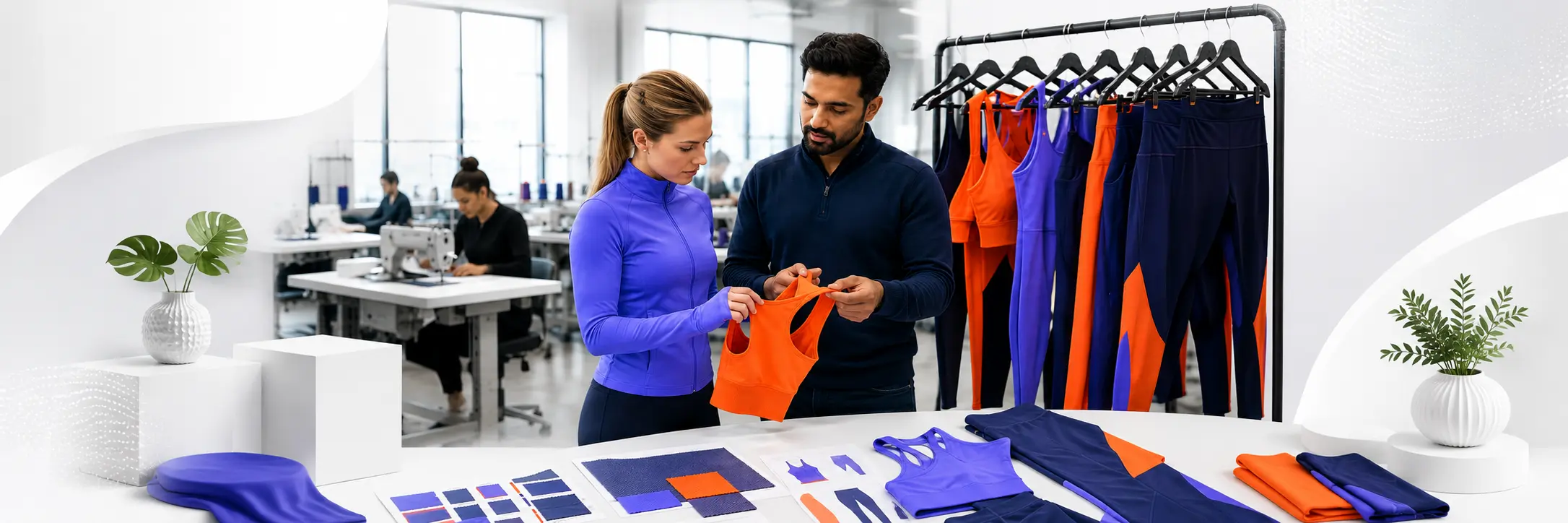
The main reason why the fitness apparel market is growing is health awareness. People are buying clothes that are appropriate for gyms and fitness. The industry is booming due to the increased number of gym memberships, popularity of activewear, and fitness influencers. This is what creates opportunities for businessmen to start a workout clothing line in 2026.
Factors driving the growth:- Demand for sustainable and fashionable activewear
- People’s interest in active lifestyle
- Social media fitness culture
- Stylish athleisure that combines comfort and functionality
- Easy brand launch due to E-commerce expansion
- Durability
- Comfort
- Breathability
- Flexibility
- Perfect fitting
- Stylish designs
- Moisture-wicking
Steps to Launch a Fitness Clothing Brand
1. Choose Your Clothing Niche
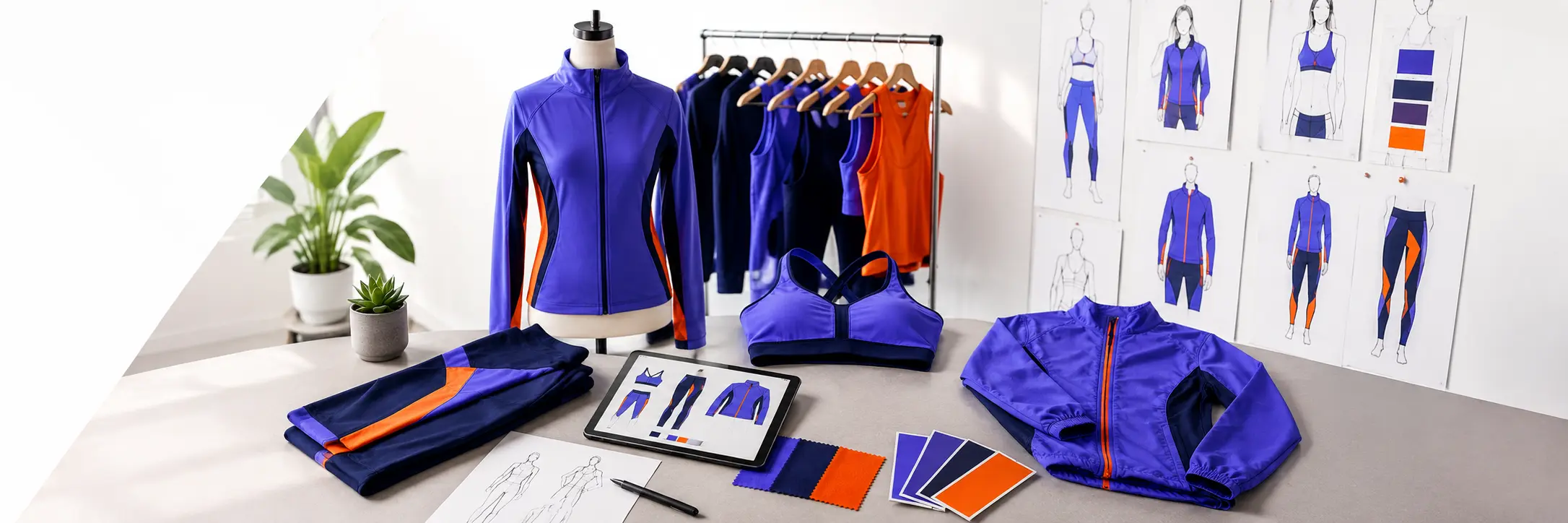
Decide on a niche while building a brand. Focus on a specific audience, and choose products accordingly. Some people target everyone, which results in major failure because you can’t choose a broad target market and launch a vast range of products. It will cost you a lot and you will not be able to manage your business operations with a product line that vast.
Popular fitness clothing niches you can start with:Gym clothing that is created for fitness sessions, strength building, and bodybuilding.
Running apparel that is designed to focus on comfort, endurance, and mobility.
Compression clothes are known for performance and supporting muscles. These clothes improve circulation and recovery.
Yoga wear that focuses on comfort, flexibility, and softness.
Athleisure apparel is the fashion-forward activewear ideal for fitness activities and daily wear.
Sustainable clothing is needed in the market and demanded by the modern consumers. It is made using recycled or organic materials.
2. Decide on Your Target Audience
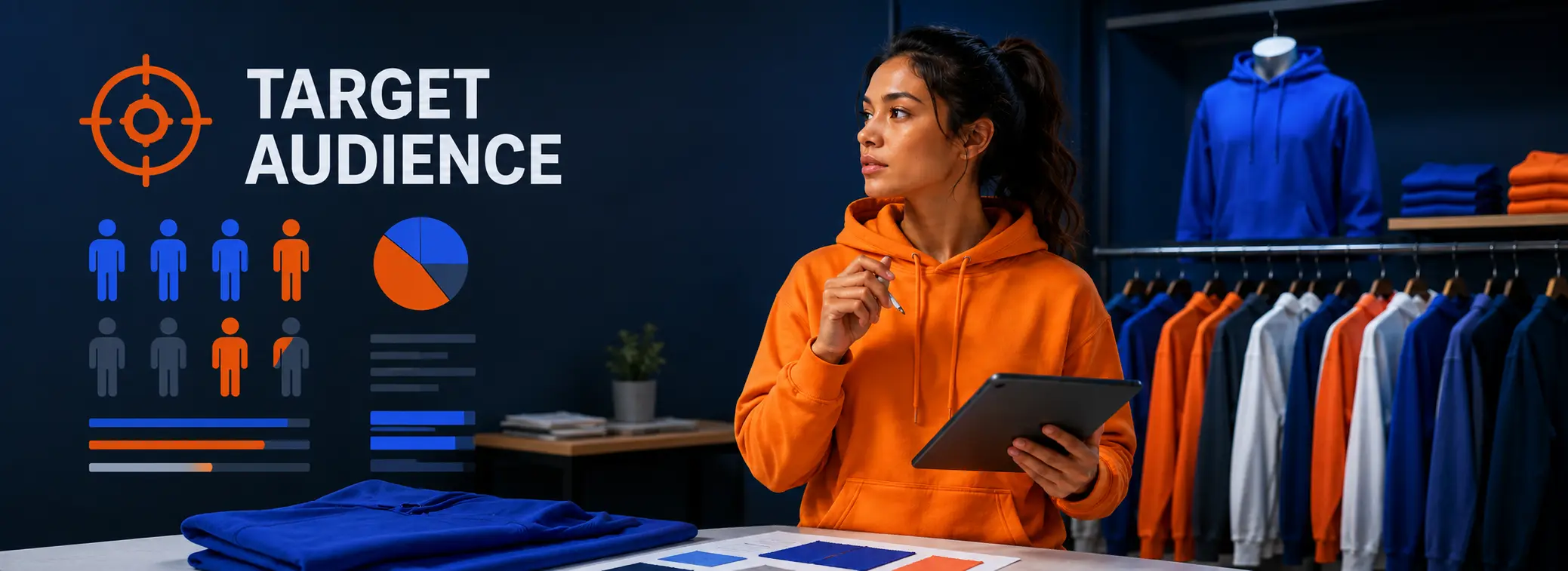
Understand your customers and their needs before you create a product line.
Consider the requirements of your potential customers. Ask yourself the following questions:
- What age group are you targeting?
- Who are your customers: professionals or beginners?
- What products are they interested in?
- What price range are they comfortable with?
- What are the specific properties they look for while buying fitness apparel?
- Why would they prefer your brand over others?
3. Competitor Analysis

A very crucial step while launching a clothing brand is analyzing your competitors; learn about their products, customer-dealing strategies, identity, product quality, fabric choices, pricing, customer retention ratio, consumer feedback, social media engagement, and design trends. This research will help you identify market gaps and improve your business operations.
4.Create a Detailed Fitness Clothing Business Plan
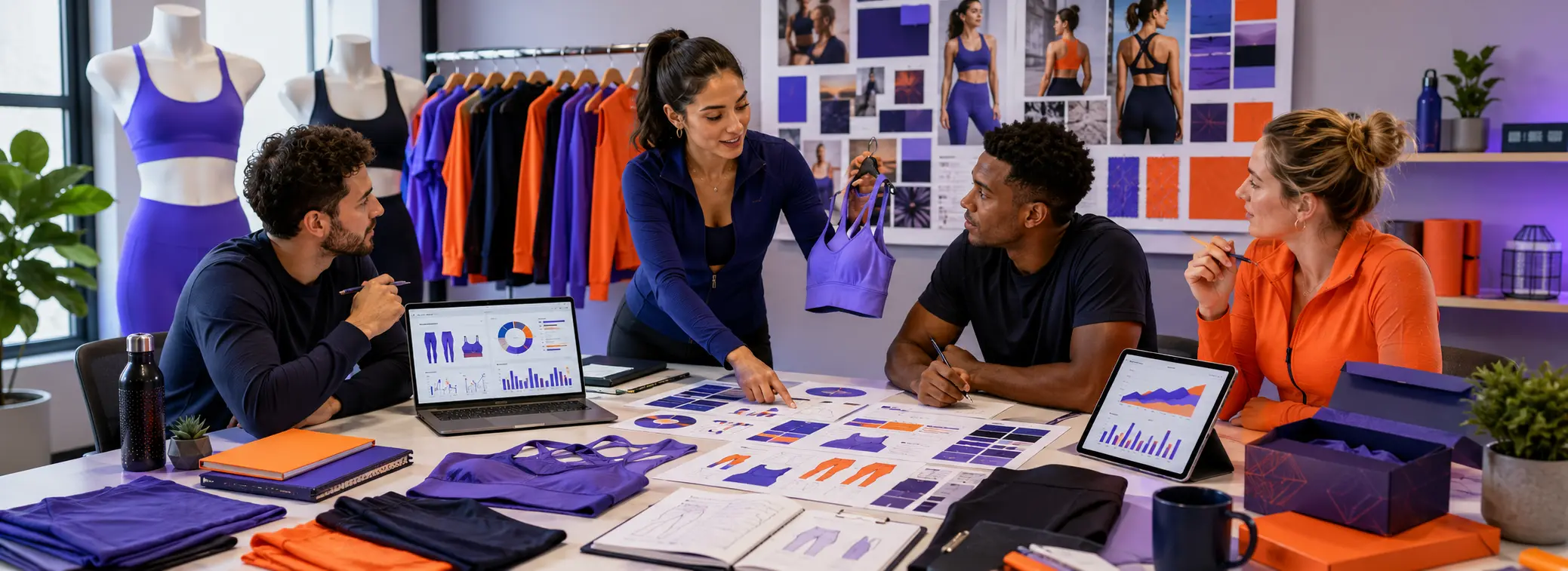
Develop a fitness clothing business plan that can give you directions and help you avoid unbearable mistakes in terms of costs, product choices, and business handling.
Include the following in your plan:
A Clear Brand VisionLearn how to present your brand before customers. Define your vision clearly because that is how your customers perceive your business.
Add Product CategoriesDecide on specific custom products you want your brand to be recognized for. Here are some product ideas:
- Custom Hoodies
- Custom Leggings
- Custom Joggers
- Custom Jackets
- Custom Sports Bras
- Custom Tracksuits
- Custom Tank Tops
- Custom Shorts
- Custom Compression Shirts
- Custom Sweat Suits
Plan your costing and budget by estimating startup costs, labor charges, manufacturing expenses, and marketing budget.
Define Sales StrategiesSales strategies include the ways you will sell your products through. These mediums can be:
- Website
- Online marketplaces
- Social media
- Physical stores
- Third-party shops
Incorporate search engine optimization (SEO), paid marketing, celebrities, and social media platforms to attract and increase your customers.
5. Design Products
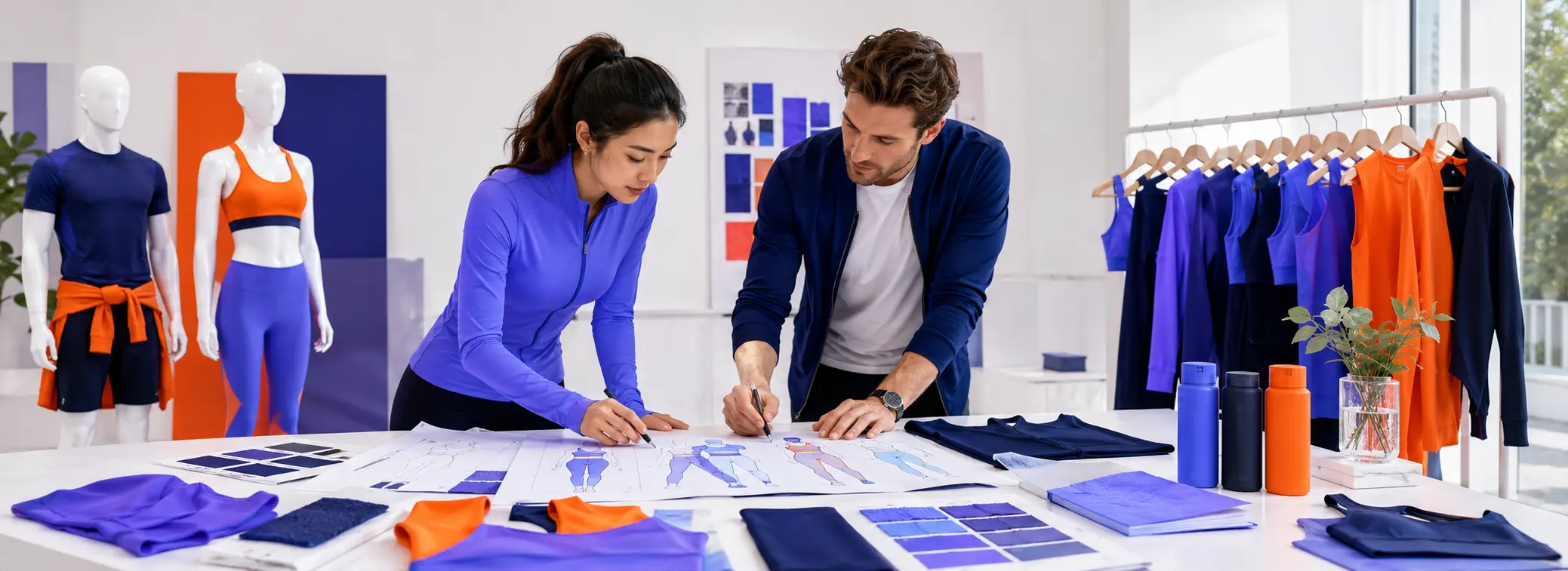
Fitness enthusiasts and professionals prefer clothes that perform well and look good while working out. They want products that focus on appearance and functionality. For instance, compression clothes that reduce fatigue and improve blood circulation. Here is the significance of fitness clothes in terms of features:
StretchabilityOffers freedom of movement.
Moisture-wicking FabricsKeep the body dry during intense exercises.
BreathabilityEnhances ventilation and comfort.
DurabilityExtends the life of the product due to high-quality stitching.
Perfect FitIdeal fit improves the aesthetics, performance, and confidence.
6. Find the Right Manufacturer for Your Brand
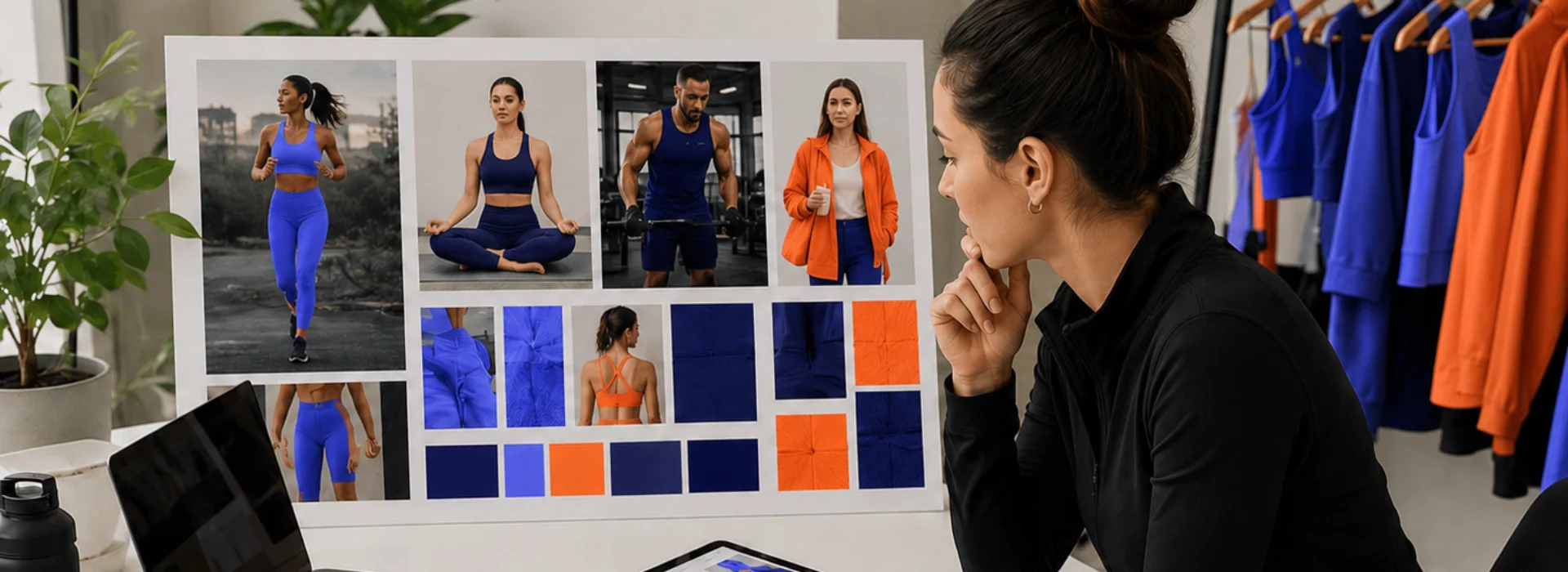
Finding a reliable manufacturing partner is crucial since poor manufacturing can lead to disasters in terms of low-quality products, poor customer experiences, production delays and much more.
Work with an experienced sportswear manufacturer who can create customized fitness apparel for your brand.
Moreover, you can find manufacturers by exploring search engines like Google by typing keywords like "clothing manufacturers in the USA," "sportswear manufacturers," or others relevant to services you need. You can find suppliers on social media platforms where they promote their products and services. There are other forums like Reddit and Quora where you can ask questions about the manufacturers of specific expertise. Lastly, you can search local directories to find apparel production companies within your area.
How to Choose a Manufacturer?
Consider the following traits before choosing a manufacturer. Make sure they offer:
- Private labeling services
- Minimum order quantity (MOQ)
- Customization options
- Fabric sourcing
- Fast turnaround time
- Sample manufacturing
- Bulk manufacturing
- Delivery service
7. Build Your Brand Identity
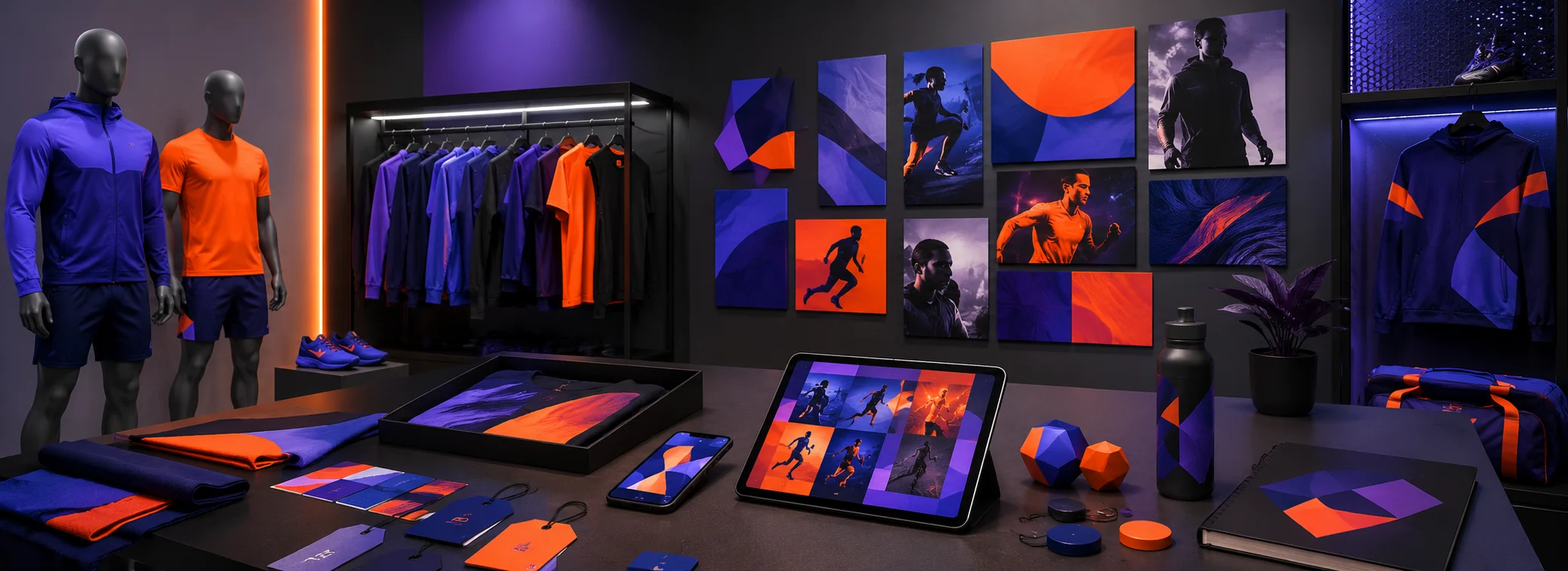
Your products should speak about your brand. It should sell a lifestyle instead of just products. Work on branding that could communicate about motivation, confidence, self-improvement, performance, and community.
- A catchy brand name that is easy to pronounce and memorable
- A clean, modern, and memorable logo design.
- Build a brand story that should be reflected through your name and products because consumers connect emotionally through brand stories.
- Use consistent color palettes across your website, marketing, and packaging.
8. Register Your Brand
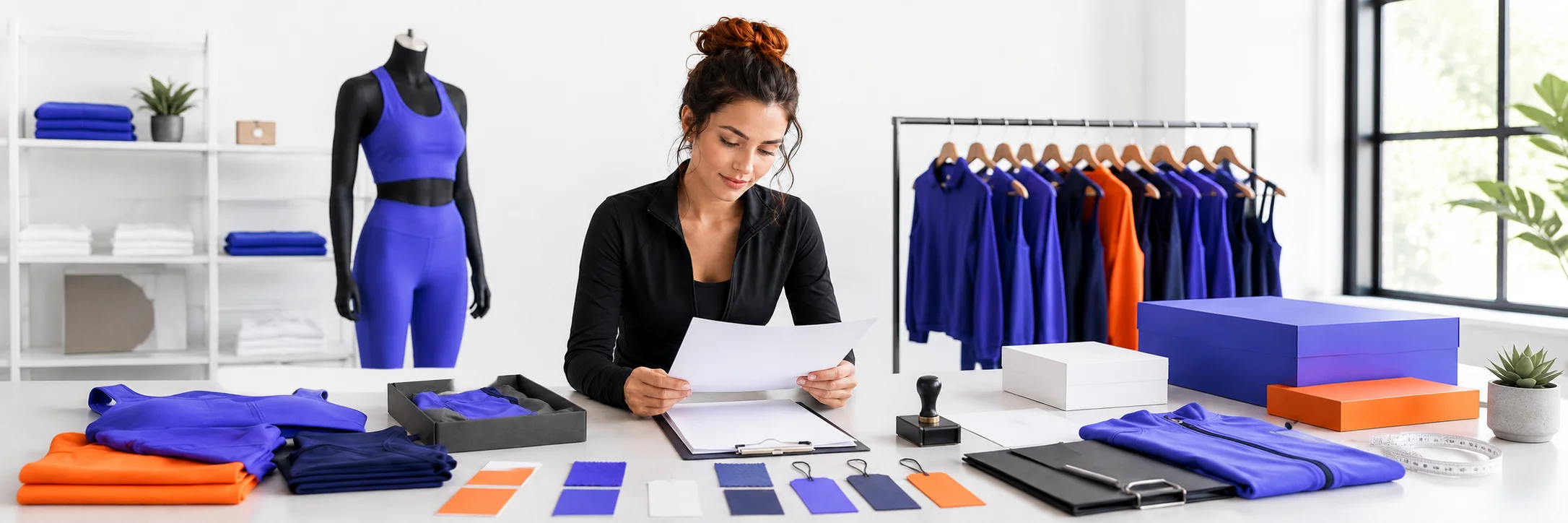
Business registration is absolutely necessary to protect the brand from legal setbacks. Once you register your brand under an LLC or any other legal term, you are eligible to run your business legally.
9. Trademark Your Brand
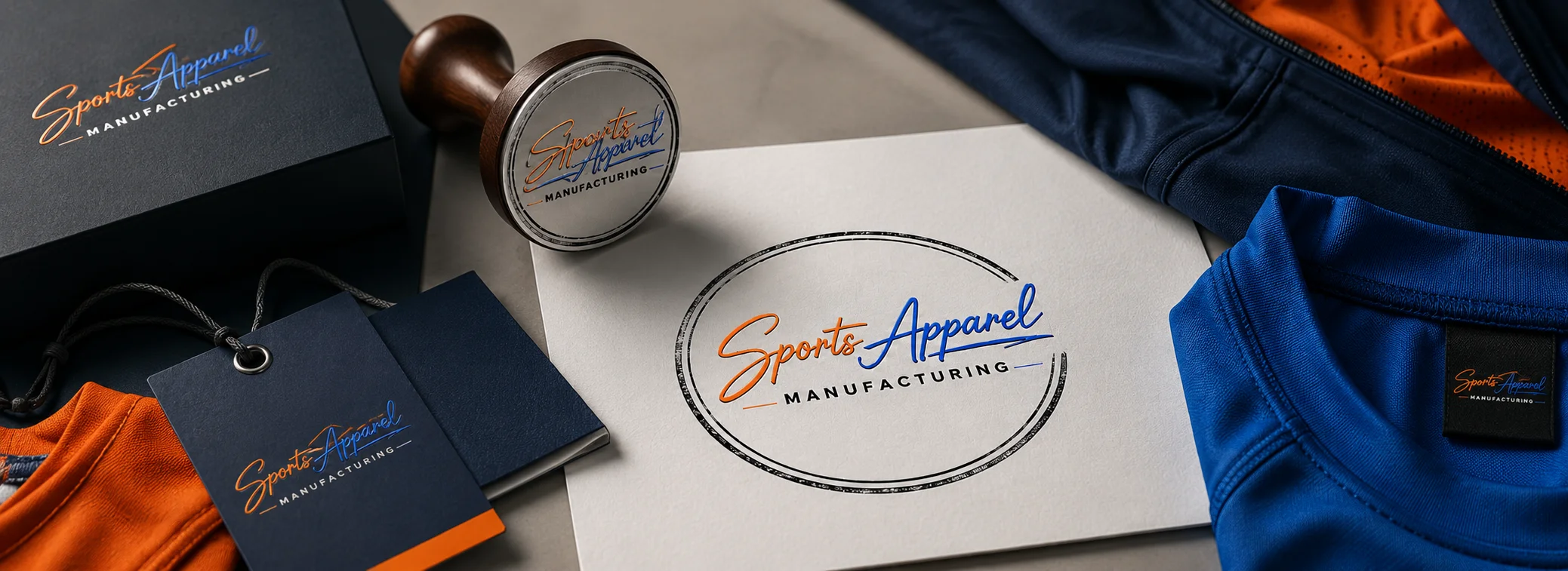
Today, imposters are ready to take over businesses with no trademarks. They steal your name, design, or logo. In order to protect your property, trademark your brand. It includes anything that represents your brand, such as a specific symbol, design, color, mark, or logo.
10. Create a Functional eCommerce Website
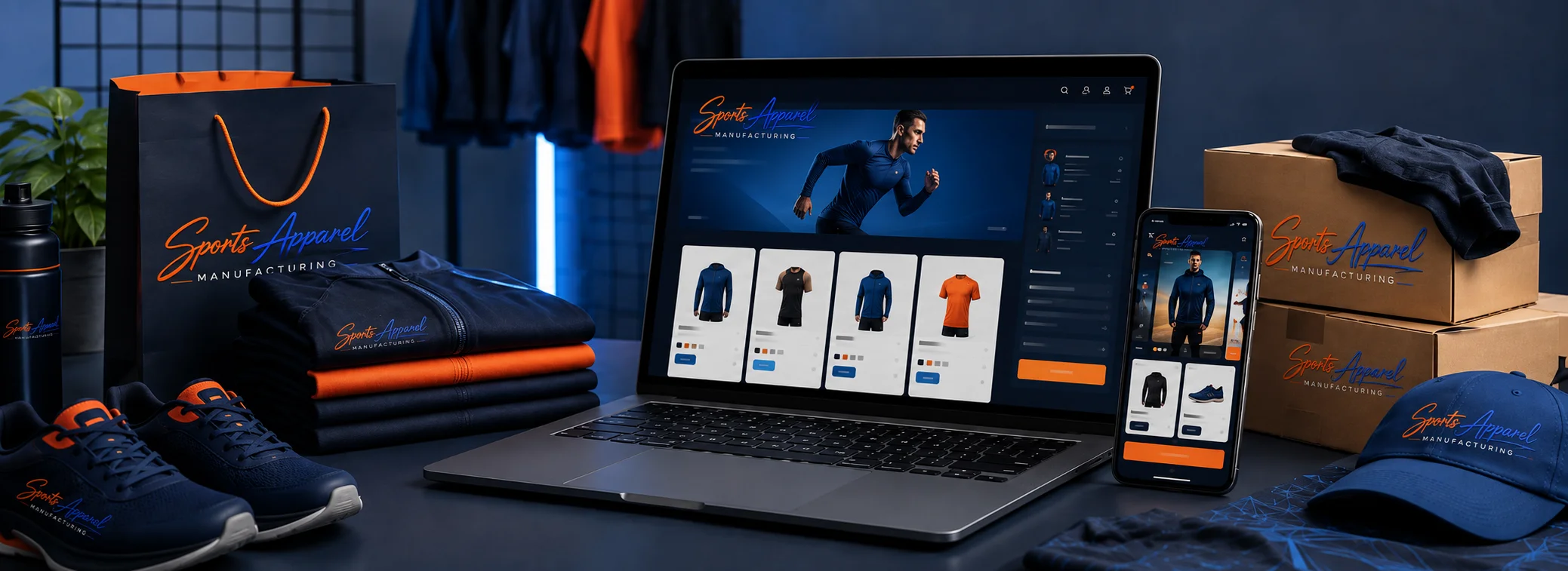
Create a user-friendly website that includes your products with their specifications, including size, colors, dimensions, and types. The website should be fast with mobile-friendly design. It should have a secure checkout feature. Add customer reviews so that your potential consumers could trust your brand on the basis of the experiences of previous customers.
11. Market Your Brand
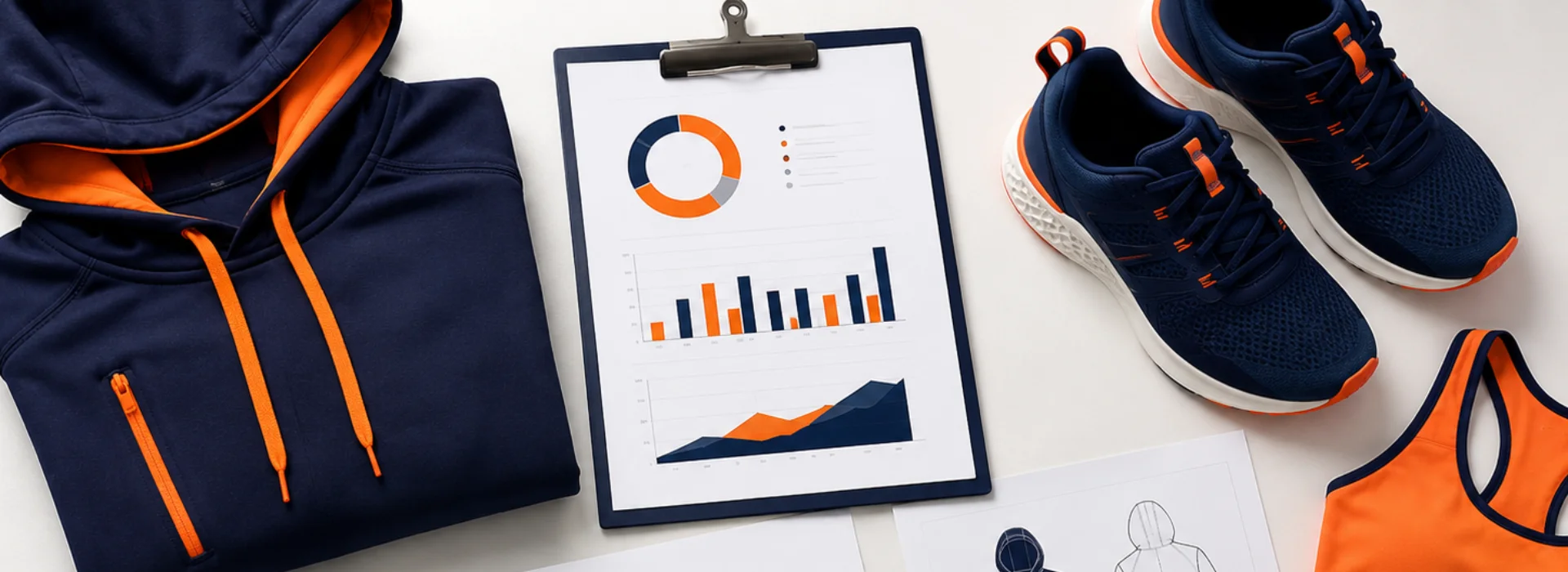
If you want to launch a fitness clothing brand and run it smoothly, you need strong marketing. It helps in approaching customers on a global level.
Social media is a practical and very effective marketing medium. Young consumers use Instagram, Facebook, Snapchat, TikTok, and YouTube for reels, entertainment, and shopping. Use them to promote your brand and products.
You can post workout videos, images of your products, customer transformation videos, fitness tutorials, and ways to use the products.
Influencer MarketingHire celebrities and influencers who are physically fit. Collaborate with them because their followers trust them. Your sales can grow with the help of these influencers.
Content MarketingCreate engaging content or blog posts that are related to fitness. Educate people about physical fitness through your content. Tell them about yoga trends, fashionable gym apparel, fabric technology, and workout activities.
Paid MarketingPaid marketing or advertising includes ads on various digital platforms. For example, pay some amount on ads on Google, Meta, TikTok, Instagram, and Facebook to market your products.
12. Maintain Product Quality
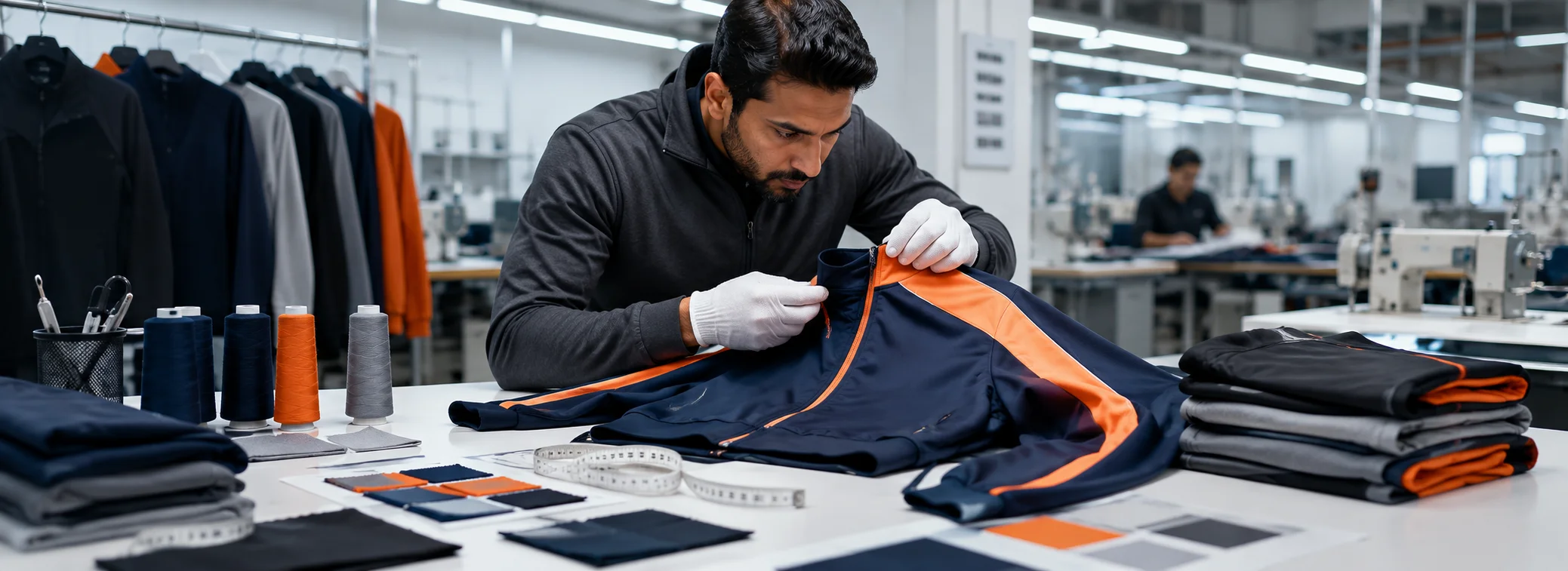
Never lose customer trust by providing poor quality. You need to build trust and loyalty.
Here is what you need to do to ensure customer repetition:- Maintain quality control
- Use only premium fabrics
- Offer quick and effective customer support
- Deliver products on time
- Make returns easy and simple
- Entertain customer queries
- Offer discounts and loyalty rewards
- Start message services to inform about new product collection
Cost to Start Fitness Clothing Line Businesses
The cost to start a fitness clothing line depends on a few things, including branding goals, production size, and marketing strategies.
- Logo design & brand identity costs between $300 and $2,000
- Sample production costs between $500 and $5,000
- Product manufacturing costs are between $2,000 and $20,000+
- Website development costs between $500 and $5,000
- Marketing costs between $1,000 and $10,000
- Packaging costs can fluctuate according to your product needs.
Avoid Mistakes for Successful Branding
Avoid the following common mistakes if you want to start and run your clothing line smoothly:
- Choosing a non-reliable manufacturer with no promising services.
- Low-quality products to save costs.
- Investing all the capital in different product categories.
- Poor branding and marketing.
Conclusion
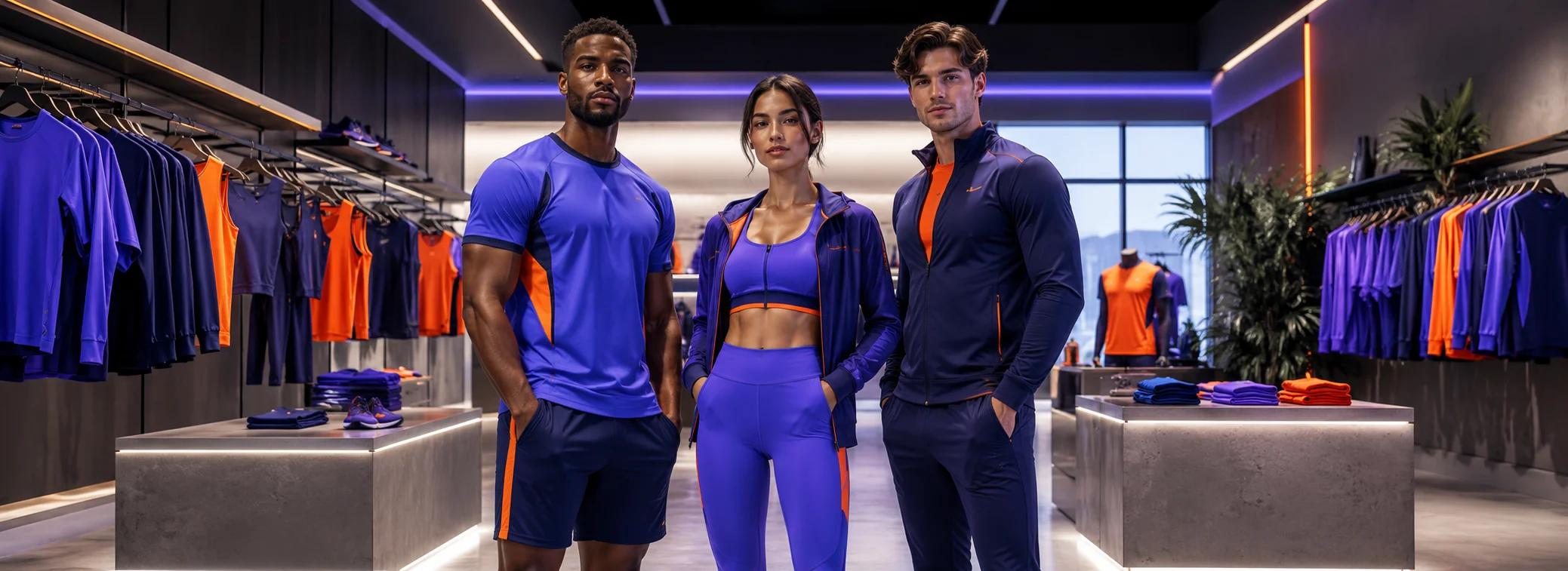
Understanding how to start a fitness clothing line needs more than just an idea. It requires high-quality products, a medium to sell them, branding, a manufacturing partner, marketing tactics, and proper planning.
If you want to start a workout clothing line or start a gym wear brand, understand your audience to build trust. Create a product line that reflects your brand’s story. Your products should be the solution to all your customers’ clothing problems.